SIBO Explained: Symptoms, Causes, and Impact on Your Gut Health
In the vast and intricate world of gut health, few conditions are as misunderstood yet impactful as Small Intestinal Bacterial Overgrowth (SIBO). Often masquerading as irritable bowel syndrome (IBS) or other digestive ailments, SIBO can be a persistent and debilitating challenge for many. This comprehensive guide will demystify SIBO, exploring its core definition, varied symptoms, underlying causes, and the far-reaching consequences it can have on your overall well-being. Understanding SIBO is the first crucial step towards reclaiming your digestive comfort and vitality.
What Exactly Is SIBO? Unpacking the Overgrowth
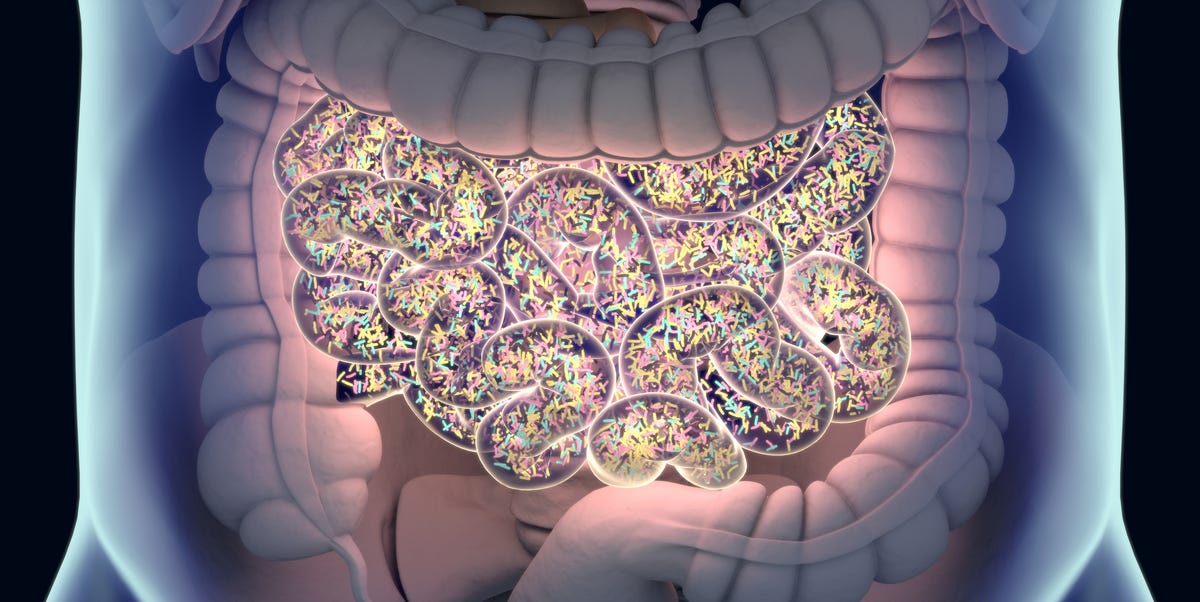
At its heart, SIBO, also known as bacterial overgrowth or intestinal overgrowth, is precisely what its name implies: an abnormal proliferation of bacteria in the small intestine. While a healthy gut relies on a balanced ecosystem of microbes, the small intestine, unlike the large intestine, should ideally contain a relatively sparse population of bacteria. When bacteria from the large intestine—or even certain types of bacteria normally present in smaller numbers in the small intestine—migrate upwards or multiply excessively, they disrupt the delicate balance essential for proper digestion and nutrient absorption.
This bacterial surge isn't just about numbers; it's about location and impact. These misplaced microbes begin to ferment carbohydrates and other food components prematurely, leading to a cascade of disruptive symptoms. The most common complaints include significant abdominal bloating, often worsening throughout the day, along with varying degrees of abdominal pain or discomfort. The disruption also frequently manifests as altered bowel habits, ranging from chronic constipation to persistent diarrhea, or even a cyclical mix of both. Essentially, the gut's delicate rhythm and function are thrown into disarray, leaving individuals grappling with persistent digestive distress.
The Different Faces of SIBO: Understanding Its Types
Not all SIBO is created equal. The specific symptoms and treatment approaches can vary significantly depending on the type of gas produced by the overgrown microbes. This distinction is crucial for both diagnosis and effective management.
- Hydrogen SIBO: This type is characterized by an overgrowth of bacteria like E. coli and Klebsiella, which produce hydrogen gas through fermentation. Hydrogen SIBO is often strongly correlated with symptoms of diarrhea, as the gas and associated bacterial byproducts can accelerate intestinal transit.
- Methane SIBO (Intestinal Methanogen Overgrowth - IMO): While often grouped under SIBO, methane overgrowth is technically caused by archaea, primarily Methanobrevibacter smithii and other methanogens. These organisms consume hydrogen and produce methane gas. IMO is famously associated with chronic constipation, as methane has a known slowing effect on gut motility.
- Hydrogen Sulfide SIBO (Intestinal Sulfide Overproduction - ISO): A more recently recognized type, ISO involves the overgrowth of sulfate-reducing bacteria such as Proteus mirabilis (in the small intestine), Fusobacterium varium, and Desulfovibrio piger (which can be found in the large intestine but contribute to symptoms). This type of SIBO produces hydrogen sulfide gas, which can contribute to a unique set of symptoms, including distinctive sulfur-smelling gas and bowel movements. Clinically, it has been observed to cause both diarrhea and constipation, though studies often highlight its correlation with diarrhea.
- Mixed SIBO: It's very common for individuals to have a combination of these gas-producing organisms. A frequent scenario is a mix of hydrogen and methane SIBO, which can lead to a presentation of alternating diarrhea and constipation. Hydrogen sulfide can also be present in these mixed pictures, further complicating the symptomatic profile.
Delving deeper into these distinctions can help tailor treatment plans. To learn more about how these different microbial communities impact your health, consider reading Understanding SIBO Types: Hydrogen, Methane, and Their Unique Symptoms.
Beyond Discomfort: How SIBO Undermines Your Health
The impact of SIBO extends far beyond the immediate discomfort of bloating and altered bowel habits. The persistent bacterial overgrowth actively interferes with fundamental bodily processes, leading to a cascade of health issues. These problems can gradually erode your overall well-being, often making SIBO a chronic and frustrating condition if left unaddressed.
The Vicious Cycle of Malabsorption and Nutrient Deficiency
One of the most significant problems with SIBO is its direct assault on nutrient absorption. The overgrown bacteria consume some of the very food we eat, effectively stealing vital nutrients before our bodies can absorb them. This competition for food creates a "vicious cycle": the more food that isn't properly absorbed by the small intestine, the more fuel there is for the bacteria to proliferate further. Over time, this malabsorption can lead to severe deficiencies in critical nutrients such as:
- Iron and B12: Chronic deficiencies can result in various forms of anemia, leading to persistent fatigue, weakness, and impaired cognitive function. Low ferritin, the protein that stores iron, is a common finding.
- Fat-soluble vitamins (A, D, K): SIBO bacteria can deconjugate bile acids, which are essential for the proper digestion and absorption of fats. This impairment leads to decreased fat absorption, often resulting in fatty stools (steatorrhea) and deficiencies in vitamins A, D, and K. These vitamins are vital for immune function, bone health, vision, and blood clotting.
Damage to the Intestinal Lining and Systemic Effects
The constant presence and activity of excessive bacteria can severely damage the delicate lining of the small intestine, particularly the brush border. This critical surface is where most nutrient absorption occurs, and its damage further exacerbates malabsorption. Moreover, this damage can lead to:
- Leaky Gut Syndrome (Increased Intestinal Permeability): A compromised intestinal lining allows larger, undigested food particles and bacterial byproducts (like lipopolysaccharides, or LPS) to "leak" into the bloodstream. The immune system often recognizes these as foreign invaders, triggering systemic inflammatory responses.
- Immune Reactions and Extra-Intestinal Symptoms: The increased load of bacterial endotoxins (LPS) in the bloodstream can provoke a widespread immune reaction. This can manifest as chronic fatigue, widespread body pain, anxiety, and depression. The liver also becomes burdened as it tries to detoxify these compounds. The immune system's reaction to leaked food particles can also create new food allergies or sensitivities, presenting with non-digestive symptoms like headaches, nasal mucus, skin rashes, and joint pain.
- Neurological and Cognitive Impairment: The acids excreted by the overgrown bacteria, when present in high amounts, can cross the blood-brain barrier. This can lead to noticeable neurological and cognitive symptoms, most commonly described as "brain fog," characterized by difficulty concentrating, memory issues, and a general feeling of mental sluggishness.
The broader implications of SIBO can be profound, impacting everything from your energy levels to your mood. Explore these connections further in SIBO's Hidden Toll: Beyond Gut Pain to Brain Fog and Nutrient Deficiencies.
Identifying the Root: Common Causes of SIBO
SIBO is rarely a primary disease but rather a consequence of an underlying issue that disrupts the small intestine's natural protective mechanisms. Understanding these root causes is paramount for effective, long-term treatment and prevention of recurrence.
Impaired Motility of the Small Intestine
The small intestine has a crucial self-cleaning mechanism called the Migrating Motor Complex (MMC). This "wave" of muscular contractions sweeps undigested food and bacteria down into the large intestine between meals. When the MMC is impaired or slowed, bacteria are not adequately cleared and can accumulate, leading to overgrowth. Factors contributing to poor MMC function include:
- Post-Infectious IBS: A significant number of SIBO cases are triggered by acute gastroenteritis (food poisoning), where toxins can damage the nerves controlling the MMC.
- Hypothyroidism: An underactive thyroid can slow down all bodily processes, including gut motility.
- Diabetes: Diabetic neuropathy can damage the vagus nerve, which plays a vital role in regulating gut motility.
- Neurological Conditions: Parkinson's disease or other neurological disorders can affect gut nerve function.
- Stress: Chronic stress can significantly alter gut motility and digestive processes.
Anatomical Alterations and Obstructions
Any physical changes to the small intestine's structure can create an environment conducive to bacterial stasis and overgrowth:
- Adhesions from Surgery: Scar tissue from abdominal surgeries can create "kinks" or partial obstructions, slowing transit.
- Ileocecal Valve Dysfunction: The ileocecal valve is the natural barrier between the small and large intestines. If it's not functioning properly, bacteria from the large intestine can reflux into the small intestine.
- Diverticula or Strictures: Pouches in the intestinal wall or narrowings can trap bacteria and food particles.
- Gastric Bypass or Other Intestinal Surgeries: Alterations to the digestive tract can create blind loops where bacteria can proliferate.
Medications and Lifestyle Factors
Certain medications and lifestyle choices can inadvertently contribute to SIBO by altering gut pH, motility, or microbial balance:
- Proton Pump Inhibitors (PPIs): These medications reduce stomach acid, which is a crucial first line of defense against incoming bacteria. Reduced acidity allows more bacteria to survive and reach the small intestine.
- Opioid Painkillers: Opiates significantly slow gut motility.
- Repeated Antibiotic Use: While sometimes necessary for SIBO treatment, repeated broad-spectrum antibiotics can disrupt the normal gut microbiome, potentially paving the way for resistant strains or further imbalance.
Taking Control: Next Steps for Managing SIBO
Effectively managing SIBO requires a multi-faceted approach that addresses both the overgrowth itself and its underlying causes. It's crucial to work with a healthcare professional experienced in SIBO, as self-treating can be complex and may not yield lasting results.
- Accurate Diagnosis: The primary diagnostic tool for SIBO is a breath test (hydrogen, methane, and sometimes hydrogen sulfide), which measures gases produced by bacteria after consuming a sugar solution.
- Eradication of Overgrowth: This typically involves a course of specific antibiotics (like Rifaximin) or herbal antimicrobial protocols designed to reduce bacterial numbers in the small intestine. The choice depends on the SIBO type.
- Dietary Adjustments: While not a cure, dietary changes play a vital role in managing symptoms and starving the overgrown bacteria. A low-FODMAP diet is commonly recommended, as it restricts fermentable carbohydrates that feed bacteria. Other approaches might include elemental diets or specific carbohydrate diets (SCD). These diets should ideally be temporary and followed under guidance to avoid nutrient deficiencies.
- Addressing Root Causes: This is the most critical step for preventing recurrence. It involves identifying and treating the underlying issues, such as improving small intestine motility with prokinetic agents, addressing hypothyroidism, managing stress, or correcting nutrient deficiencies. Lifestyle changes, including stress management and regular physical activity, also contribute significantly to healthy gut function.
- Support Gut Healing: Once the bacterial overgrowth is reduced, efforts should focus on healing the intestinal lining (e.g., with L-glutamine, zinc carnosine) and restoring a healthy microbiome balance (e.g., with targeted probiotics, prebiotics, once appropriate).
Conclusion
SIBO is a complex and often debilitating condition that can profoundly impact your digestive health and overall well-being. From persistent bloating and altered bowel habits to far-reaching systemic effects like nutrient deficiencies, brain fog, and chronic fatigue, its presence signifies a significant disruption within the gut. By understanding its definition, the different gas types, the myriad ways it undermines health, and its common underlying causes, individuals can begin to navigate their path toward healing. Remember, effective management requires a personalized approach, often involving careful diagnosis, targeted treatment, and diligent attention to preventing recurrence. Taking proactive steps and working with knowledgeable healthcare providers is key to overcoming SIBO and restoring balance to your gut.