Decoding SIBO: Why Understanding Your Type is Crucial for Gut Health
Small Intestinal Bacterial Overgrowth, or SIBO, is a condition that affects millions, often presenting a confusing array of digestive and systemic symptoms. While the overarching definition — an abnormal increase in bacteria in the small intestine — remains consistent, the specific type of SIBO a person experiences can dramatically influence their symptoms, diagnosis, and treatment approach. This isn't a one-size-fits-all condition; the gases produced by these overgrown microbes are key indicators, shaping the unique challenges each individual faces.
Understanding whether you have hydrogen-dominant, methane-dominant (often referred to as IMO), or even hydrogen sulfide-dominant SIBO, or a mixed presentation, is arguably the most critical step on the path to recovery. Each gas points to different bacterial or archaeal populations and, critically, dictates the primary symptoms you're likely to experience. Let's delve into the fascinating world of SIBO types and unravel their distinct characteristics.
The Primary Players: Hydrogen and Methane SIBO
Most commonly, discussions around SIBO revolve around two main types of gas: hydrogen and methane. These are the gases that have been most extensively studied and are routinely measured in conventional breath testing protocols. Their distinct physiological effects on the gut lead to very different symptom profiles, guiding clinicians toward targeted therapeutic strategies.
Hydrogen SIBO: The Diarrhea-Dominant Profile
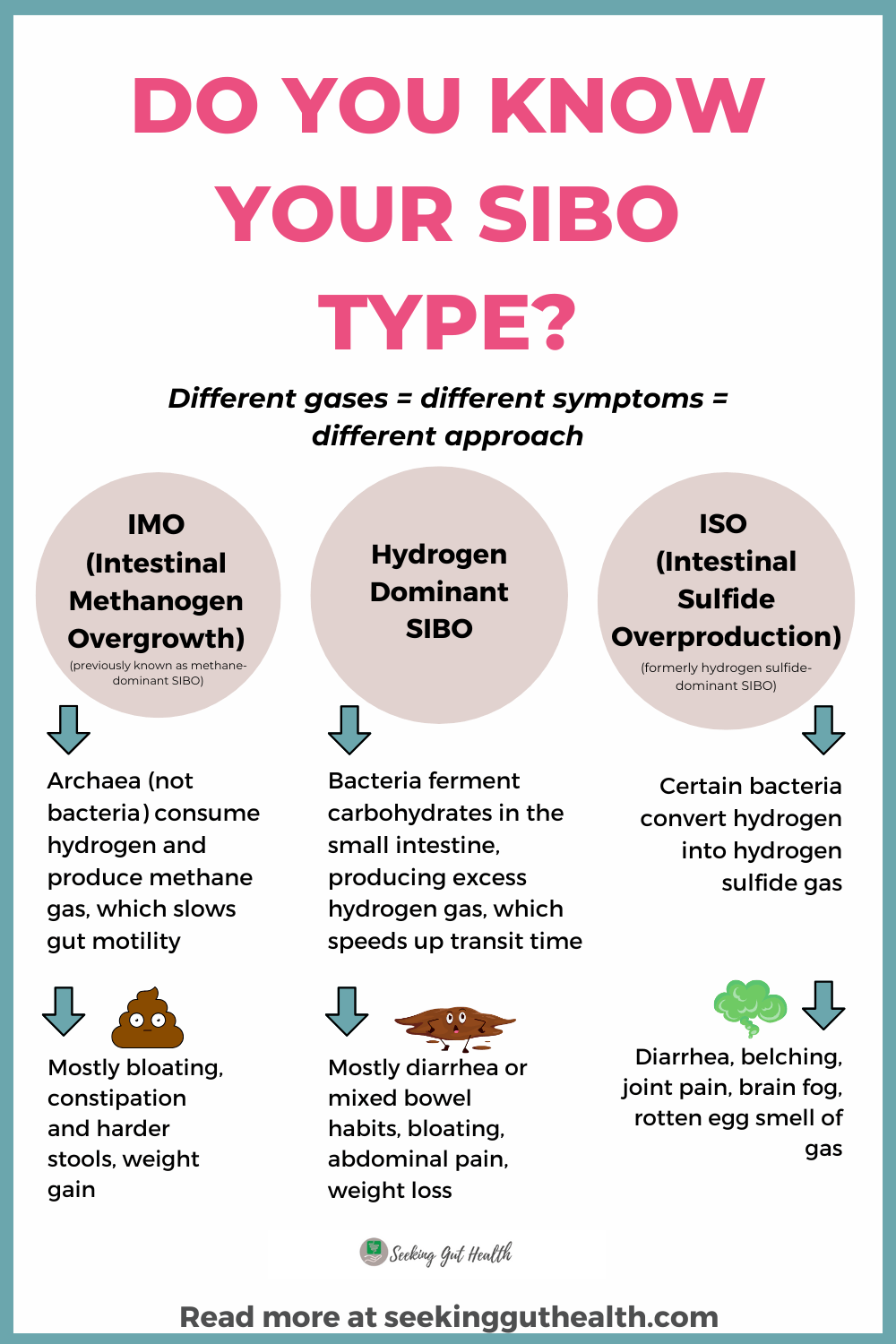
Hydrogen SIBO is often correlated with symptoms of diarrhea. This type of overgrowth is typically driven by hydrogen-producing bacteria such as certain strains of E. coli and Klebsiella. When these bacteria ferment carbohydrates in the small intestine, they produce hydrogen gas as a byproduct. This gas can irritate the gut lining, leading to increased intestinal motility and a faster transit time of food through the digestive tract. The result is often loose, frequent bowel movements, sometimes accompanied by urgency and abdominal cramping.
Patients with hydrogen SIBO might report explosive diarrhea, particularly after meals rich in fermentable carbohydrates. The rapid transit time can also lead to malabsorption, as food doesn't stay in the small intestine long enough for proper nutrient extraction. This can contribute to weight loss, fatigue, and nutrient deficiencies over time. While bloating is a common Sibo symptom across all types, in hydrogen SIBO, it may be more dynamic, fluctuating with bowel movements.
Methane SIBO (IMO): The Constipation Culprit
Methane SIBO, now more accurately termed Intestinal Methanogen Overgrowth (IMO), is strongly correlated with constipation. The key distinction here is that methane is produced not by bacteria, but by archaea—a different domain of life—primarily Methanobrevibacter smithii and other methanogens. These organisms consume hydrogen gas (often produced by other bacteria) and convert it into methane.
Methane gas has a unique physiological effect: it slows down intestinal motility significantly. This leads to reduced gut transit time, resulting in chronic constipation, difficulty passing stools, straining, and a feeling of incomplete evacuation. Bloating and distension can be particularly severe in IMO due to the gas retention and sluggish movement of waste. Patients with IMO may also experience persistent abdominal discomfort and a distinct lack of appetite due to the feeling of fullness and sluggish digestion. Understanding this type of Sibo is vital for effective treatment, as methanogens require different therapeutic approaches than bacteria.
Beyond Hydrogen and Methane: Unpacking Hydrogen Sulfide SIBO and Mixed Types
While hydrogen and methane take center stage, the landscape of SIBO is becoming increasingly nuanced with the recognition of other gas types and mixed presentations. These variations add layers of complexity to diagnosis and treatment but also offer more precise pathways to relief.
Hydrogen Sulfide SIBO (ISO): The Less Understood Gas
Hydrogen Sulfide SIBO, or Intestinal Sulfide Overproduction (ISO), is gaining recognition as a significant, albeit often overlooked, player in gut health. This type is characterized by the overgrowth of sulfate-reducing bacteria like Proteus mirabilis in the small intestine, and sometimes Fusobacterium varium and Desulfovibrio piger in the large intestine. Hydrogen sulfide gas has a distinctive "rotten egg" smell and can be highly irritating to the gut lining.
The symptom correlation for ISO is tricky. While some studies suggest a link to diarrhea, clinical observations frequently show it correlating with constipation in many cases. Patients might experience a burning sensation in the gut, foul-smelling gas and stools, and sometimes even skin rashes, joint pain, and histamine intolerance-like symptoms. Diagnosing ISO requires specialized breath testing that can measure hydrogen sulfide, as it's not detected by standard hydrogen/methane breath tests. Due to its potent inflammatory potential, identifying and addressing ISO is crucial for symptom resolution and preventing broader systemic issues.
Mixed SIBO: When Multiple Gases Collide
It's important to note that SIBO isn't always a neatly categorized condition. Many individuals present with a "mixed" SIBO picture, where multiple types of gas are elevated simultaneously. The most common mixed presentation involves both hydrogen and methane overgrowth. In these cases, patients may experience an alternating pattern of diarrhea and constipation, or simply a complex combination of symptoms that makes it difficult to pinpoint a single dominant presentation. For instance, sluggish motility from methane might be present, but irritative hydrogen could still cause loose stools under certain circumstances.
Furthermore, hydrogen sulfide can also occur in mixed SIBO, adding another layer of complexity to the symptom profile and making both diagnosis and treatment more challenging. Patients with mixed SIBO often report a wider range of symptoms, including more severe bloating, unpredictable bowel habits, and a greater impact on their quality of life. This requires a practitioner with a deep understanding of SIBO to interpret the breath test results and formulate a comprehensive treatment plan that addresses all contributing gas types.
The Broad Impact of SIBO: Why Understanding Your Type Matters
Regardless of the gas type, the presence of SIBO signifies a profound disruption to gut health, impacting digestion, nutrient absorption, and even broader systemic well-being. The overgrown bacteria consume the food we eat, leading to malabsorption and potential deficiencies in vital nutrients like iron and B12, which can manifest as anemia or chronic low ferritin. They also damage the delicate lining of the small intestine, known as the brush border. This damage can reduce the production of digestive enzymes and further impair nutrient uptake, creating a vicious cycle where unabsorbed food continues to feed the overgrowing microbes.
The fermentation process itself is a primary cause of distressing symptoms. The production of gas within the small intestine leads to significant abdominal bloating, pain, and the characteristic bowel habit changes (constipation, diarrhea, or both) commonly associated with Irritable Bowel Syndrome (IBS). Beyond the gut, SIBO's impact can be far-reaching. The damage to the brush border can lead to Leaky Gut Syndrome, allowing larger food particles and bacterial endotoxins (LPS) to enter the bloodstream. This can trigger an immune response, contributing to systemic inflammation, fatigue, body pain, anxiety, depression, and placing a burden on the liver.
Moreover, the increased endotoxins and the excretion of various acids by these bacteria can cross the blood-brain barrier, leading to neurological and cognitive symptoms such as the dreaded "brain fog." Decreased fat absorption due to bile deconjugation can result in fatty stools (steatorrhea) and deficiencies in fat-soluble vitamins (A, D, K). All these broader systemic issues underscore why addressing SIBO is about more than just managing digestive symptoms; it's about restoring overall health.
Practical Insights and Next Steps
Understanding the specific type of SIBO you have is paramount because it directly influences the choice of treatment. Different microbial populations respond to different antimicrobial agents, whether pharmaceutical antibiotics or herbal protocols. For instance, methane-dominant SIBO (IMO) often requires specific agents known to target methanogens, which may differ from those effective against hydrogen-producing bacteria. Hydrogen sulfide SIBO necessitates a distinct protocol, often involving specific bismuth compounds and dietary modifications to reduce sulfur intake.
Accurate diagnosis typically relies on a comprehensive breath test, which measures the levels of hydrogen, methane, and ideally hydrogen sulfide gases over a period after consuming a lactulose or glucose solution. Interpreting these results correctly requires expertise. Working with a knowledgeable healthcare practitioner who understands the nuances of SIBO types and their corresponding treatments is crucial for developing a personalized and effective protocol. This approach often combines antimicrobials, prokinetics to improve gut motility, dietary adjustments (such as a low-FODMAP diet), and strategies to repair the gut lining and restore microbial balance.
Conclusion
SIBO is a complex condition, but its complexity offers a pathway to more precise and effective treatment. By moving beyond a generic diagnosis and identifying the specific type of SIBO—hydrogen, methane (IMO), hydrogen sulfide (ISO), or a mixed presentation—individuals can gain invaluable insight into their unique symptoms and the underlying microbial imbalance. This detailed understanding allows for a highly targeted therapeutic approach, optimizing the chances of successful eradication and long-term relief from the debilitating symptoms that SIBO can impose. Don't settle for a broad diagnosis; seek to understand your SIBO type to truly embark on the journey toward renewed gut health and overall well-being.